
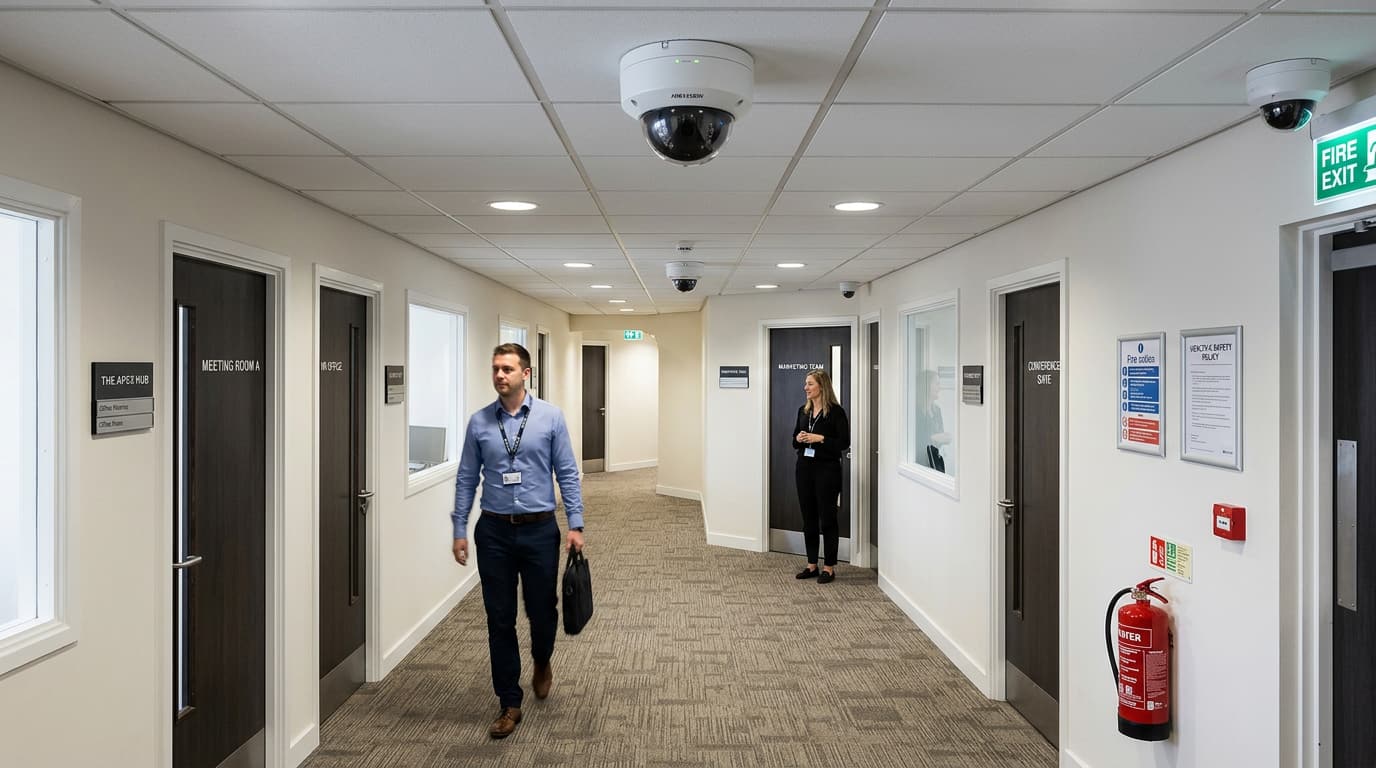
Commercial CCTV Storage Requirements
Storage capacity determines how long you can keep footage. It depends on camera count, resolution, frame rate and whether you use motion-only or continuous recording. Under-sizing leads to short retention or full disks; over-sizing adds cost. This guide explains how to specify storage for business CCTV.
Commercial CCTV Storage Requirements usually becomes urgent when recurring symptoms begin affecting programme confidence, compliance, or delivery reliability.
For local or on-site context, see CCTV installation in Kingston, or review Commercial CCTV Systems in Teddington and Commercial CCTV Systems in Stevenage.
When you might need this
Teams usually investigate commercial cctv storage requirements when early warning signs start affecting reliability, compliance, or project timelines. This is often the point where decision makers move from observation into scoped technical action.
What often triggers action
The symptoms below are the most common triggers we see before diagnosis and repair planning.
- Running out of storage or overwriting too quickly
- Adding cameras and unsure if current NVR can cope
- Need longer retention for compliance or incidents
- Planning a new system and want right-sized storage
- Motion vs continuous recording trade-off
What to expect from the work
We calculate storage needs based on your camera count, resolution and desired retention. We recommend NVR capacity and recording mode (continuous or motion) to meet your requirements.
Think you might have commercial cctv storage requirements? A professional inspection will confirm the diagnosis.
How we approach the fix
We specify and install NVRs with adequate storage, set recording parameters and configure alerts for low disk space. We can expand or upgrade storage later if needs change.
Cost and complexity factors
Cost and complexity usually depend on access constraints, total scope, existing condition, and whether related works need to be coordinated in the same programme window.
How we work through the job
We keep delivery structured so scope, sequencing, and sign-off remain clear.
Step 1: Initial assessment
What this step delivers: Root cause and scope are confirmed.
Step 2: Method planning
What this step delivers: Practical repair strategy is agreed.
Step 3: Delivery and verification
What this step delivers: Work is completed and validated.
How This Issue Is Normally Diagnosed and Repaired
Follow the typical path from problem identification through to resolution:
We provide these services across the UK, including
Get a Free Quote
Contact us for a no-obligation quote or to discuss your project. We'll advise on the best approach and provide clear pricing.
Need help sizing CCTV storage? We can specify and install the right capacity for your system.
Related Services
Local Services
Related guides
Commercial CCTV Storage Requirements FAQ
What are the signs of commercial cctv storage requirements?
Running out of storage or overwriting too quickly. Adding cameras and unsure if current NVR can cope. Need longer retention for compliance or incidents.
How do you diagnose commercial cctv storage requirements?
We calculate storage needs based on your camera count, resolution and desired retention. We recommend NVR capacity and recording mode (continuous or motion) to meet your requirements....
How do you fix commercial cctv storage requirements?
We specify and install NVRs with adequate storage, set recording parameters and configure alerts for low disk space. We can expand or upgrade storage later if needs change....
Need project guidance?
Share your site details and priorities. We will outline a practical scope, likely timeline, and next steps.